NVIDIA RTX Spark Puts Local AI Agents on Windows Laptops
RTX Spark laptops from six PC makers bring up to 128GB of unified memory and up to 1 petaflop of AI performance to slim Windows machines, built for running models and agents locally.

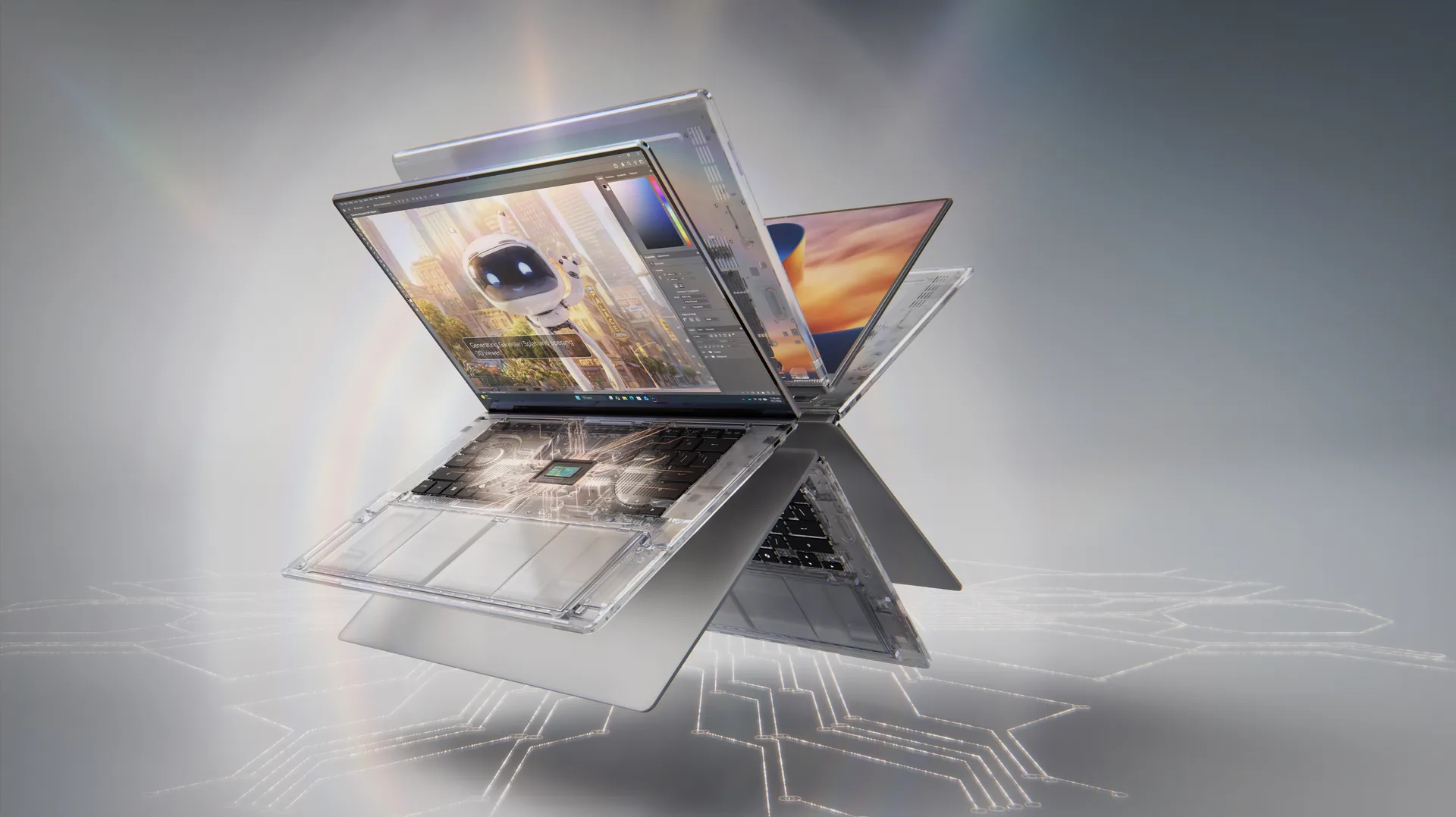
The cloud is no longer the only place where serious AI runs. With NVIDIA RTX Spark, a new class of Windows laptop promises to keep large language models and agents on the device itself.
One superchip, one memory pool
At the heart of every RTX Spark laptop sits a single superchip that combines an NVIDIA Blackwell RTX GPU with an NVIDIA Grace CPU. Graphics and processor share up to 128GB of unified memory, and the chip delivers up to 1 petaflop of FP4 AI performance. MediaTek collaborated with NVIDIA on the custom CPU design, which is meant to keep power draw low enough for slim, all-day machines.
Shared memory is the detail that matters for AI users. Large models need room, and on a conventional laptop the graphics memory is usually the bottleneck. With one pool, a local model and a demanding creative project can run side by side.
From tool to teammate
NVIDIA frames RTX Spark around agents rather than chat windows. Guided setup and installers bring GitHub Copilot, Hermes, OpenClaw, Perplexity, Pi and WorkBuddy onto the laptop without a command line. For supported configurations, NVIDIA adds Nemotron 3.5 Bolt 74B-A9B 24GB, a 74-billion-parameter model tuned for tool calling and multistep tasks.
Control is part of the package. The NVIDIA OpenShell secure runtime and Microsoft Execution Containers let users decide what an agent may touch. With NVIDIA PAIR, an RTX Spark machine can even serve AI inference to compatible Windows, Linux and macOS computers on the home network.
Jensen Huang, founder and CEO of NVIDIA, describes the result as "a new generation of Windows PC", built for today's work and "the personal AI agents they'll work with next".
Creators and developers
For creative work, NVIDIA cites 8K 4:2:2 video editing and 3D scenes of up to 90GB, even on battery. Adobe is adding TensorRT acceleration to AI editing features in Photoshop and Premiere, both with native RTX Spark support in betas at launch, with Substance 3D to follow. In ComfyUI, new RTX Video nodes turn 15 fps AI-generated clips into smoother 60 fps footage and convert them to HDR without per-use cloud charges.
Developers get the first PyTorch-CUDA build for Windows on Arm, a Python build that is native by default, the first native Conda installer and support for 97 percent of the top 15,000 Python packages. Models built locally can be deployed across more than 150 million NVIDIA RTX AI PCs and NVIDIA GPUs in the cloud.
The machines
The first lineup includes ASUS ProArt P14 and P16, Dell XPS 16, HP OmniBook Ultra and OmniBook X 14, Lenovo Yoga Pro 9n, Microsoft Surface Laptop Ultra, and MSI Prestige N16 Flip AI+ and Prestige N16. Gamers are not forgotten either: NVIDIA promises AAA titles at 1440p and more than 100 frames per second, with DLSS 5 in games such as NBA 2K27.
Our take
Local AI has long been a hobby for people with desktop towers. RTX Spark is the clearest attempt yet to make it a laptop feature, with privacy and cost as the obvious arguments: code and context stay on the device, and there is no per-request cloud bill. Whether agents become everyday teammates will depend on the software, but the hardware argument is now on the table.
More from the houses
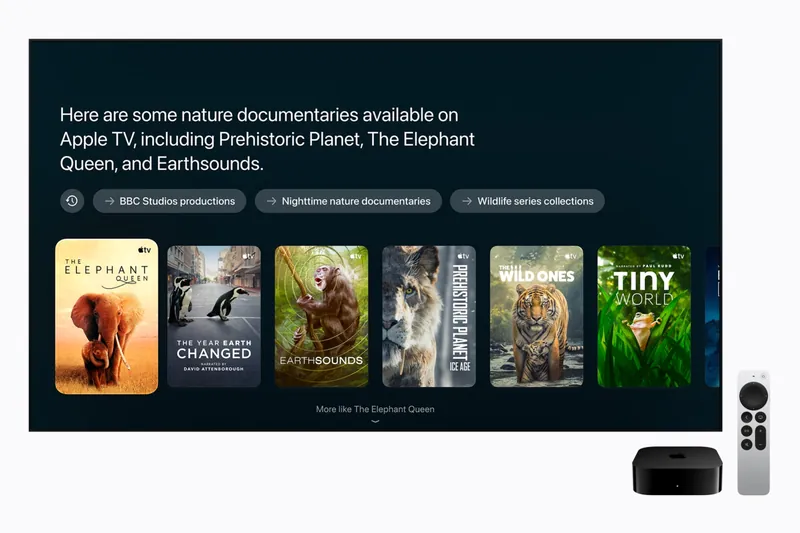
Apple TV 4K Brings Siri AI to the Living Room
The fourth generation Apple TV 4K puts a conversational Siri AI on the big screen, listens hands-free through three far-field microphones and reaches stores on 13 November.
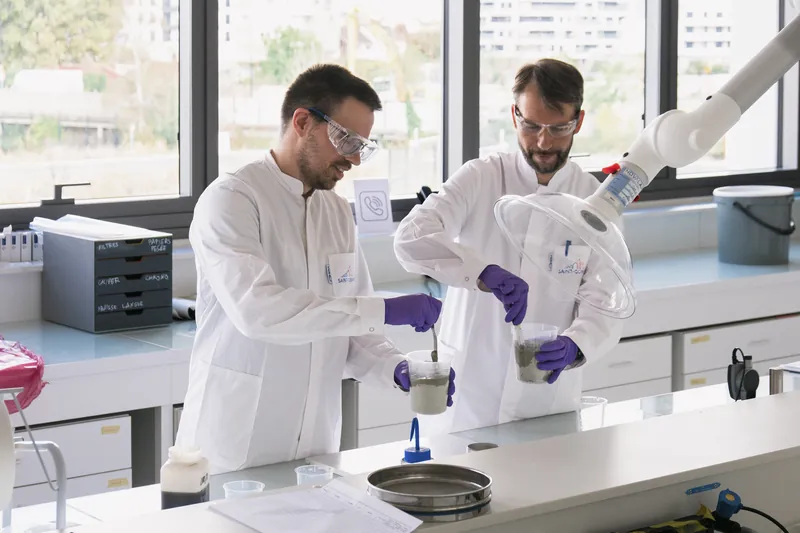
Microsoft Discovery Helps Saint-Gobain Hunt for Lower-Carbon Cement
Saint-Gobain used Microsoft Discovery, an agentic AI platform for scientists, to build a research knowledge base in hours instead of a year and to find new ideas for cement additives.