Microsoft Discovery Helps Saint-Gobain Hunt for Lower-Carbon Cement
Saint-Gobain used Microsoft Discovery, an agentic AI platform for scientists, to build a research knowledge base in hours instead of a year and to find new ideas for cement additives.
A company founded in 1665 to make mirrors for Versailles is now letting AI agents read its literature. Its partnership with Microsoft shows what agentic research looks like outside a lab demo.
A very old company with a very current problem
Saint-Gobain started in 1665, when Louis XIV wanted mirrors for his palace in Versailles. Today the group employs 161,000 people in 81 countries and makes construction materials from glass and plasterboard to insulation and additives for cement and concrete. That last category is the hard one: cement production uses a lot of energy and accounts for around 7 percent of global annual CO2 emissions.
The research question is concrete in every sense. Saint-Gobain wants chemical ingredients that cut carbon emissions and make cement stronger at the same time.
Agents that read for you
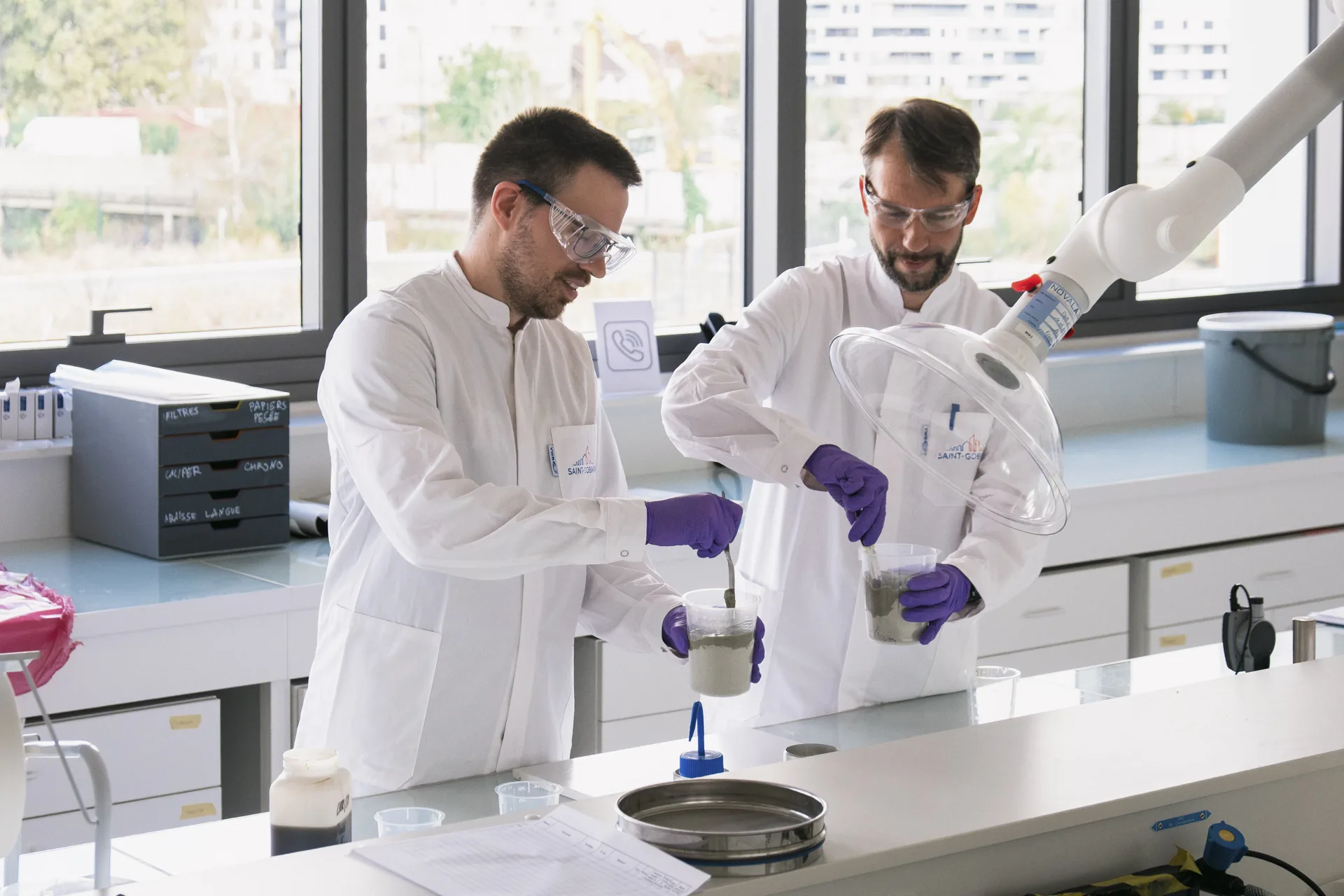
This is where Microsoft comes in. Microsoft Discovery is an AI-powered agentic platform for scientists and engineers. It lets researchers orchestrate AI agents that search literature, connect information, generate hypotheses, design experiments and run analyses. Saint-Gobain was one of the first clients in the private release in March, and engineers from the new Microsoft Frontier Company worked inside the group to tune the platform.
The numbers are what caught attention. The team gathered 62,000 patents and 44,000 abstracts. "Without using this technology, it would have taken our researchers a year to create the knowledge base. Using AI, it took us a couple of hours," says Mojdeh Rastgoo-Lemaitre, the digital acceleration program manager behind the project. Within about six weeks, the team had several hypotheses for new cement additive ingredients worth testing.
Looking outside the industry
Saint-Gobain already sells EnviroAdd, an additive that reduces the need for clinker, the binding ingredient made by heating limestone, by about 20 percent. Clinker is where most of the CO2 in cement comes from. By searching across domains beyond construction, the researchers found molecules they would not otherwise have considered. Those candidates are now being tested; if they hold up, they move on to the development team for trials in physical conditions.
Technology with a purpose
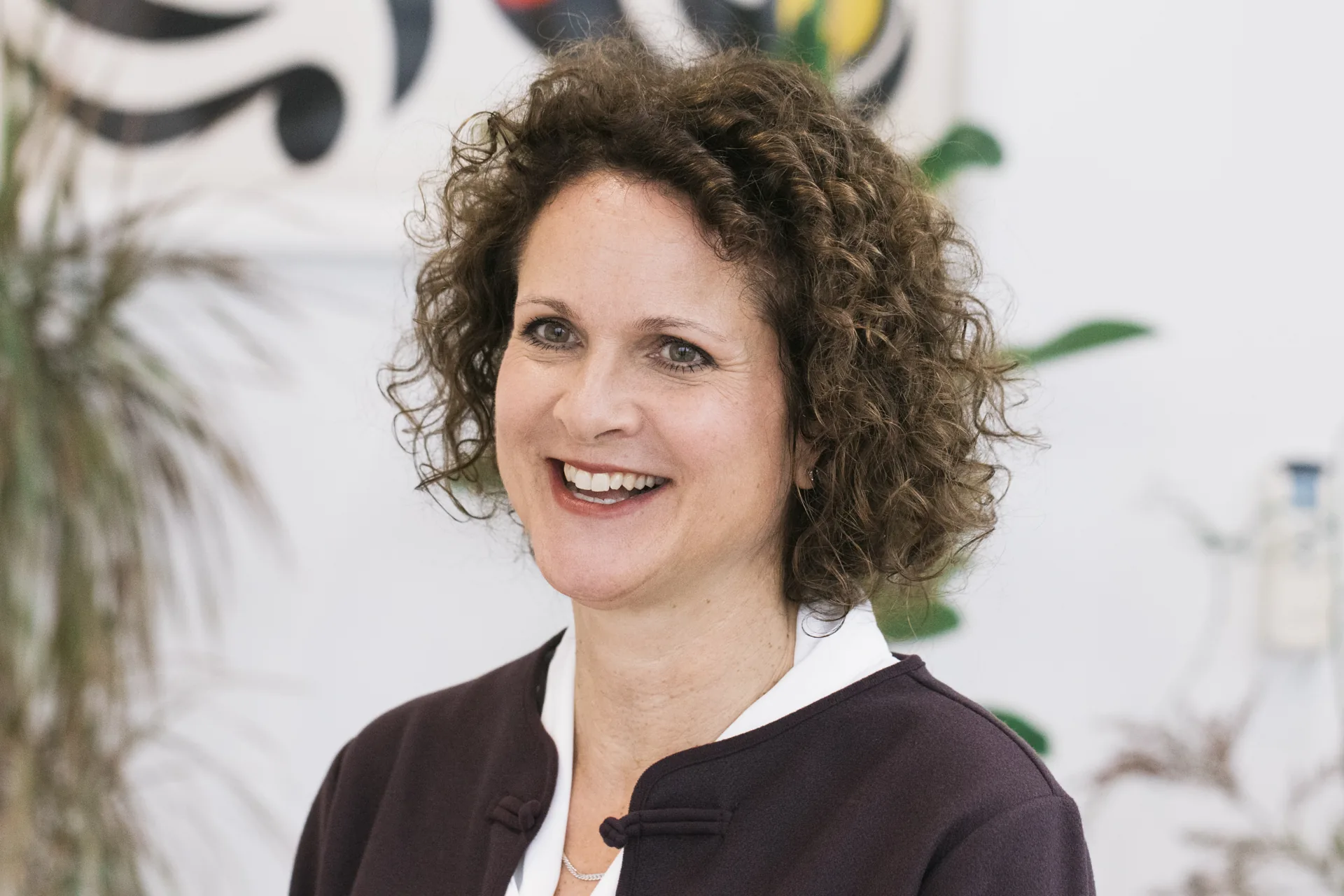
Ursula Soritsch-Renier, Saint-Gobain's chief digital and information officer, puts the stakes plainly: construction, from production to operation, accounts for 40 percent of the world's carbon footprint. Digital tools already help elsewhere in the group. A cut-to-order system for plasterboard uses building information models to optimise cuts, so nothing goes to landfill, and it has improved time-to-installation by 30 percent.
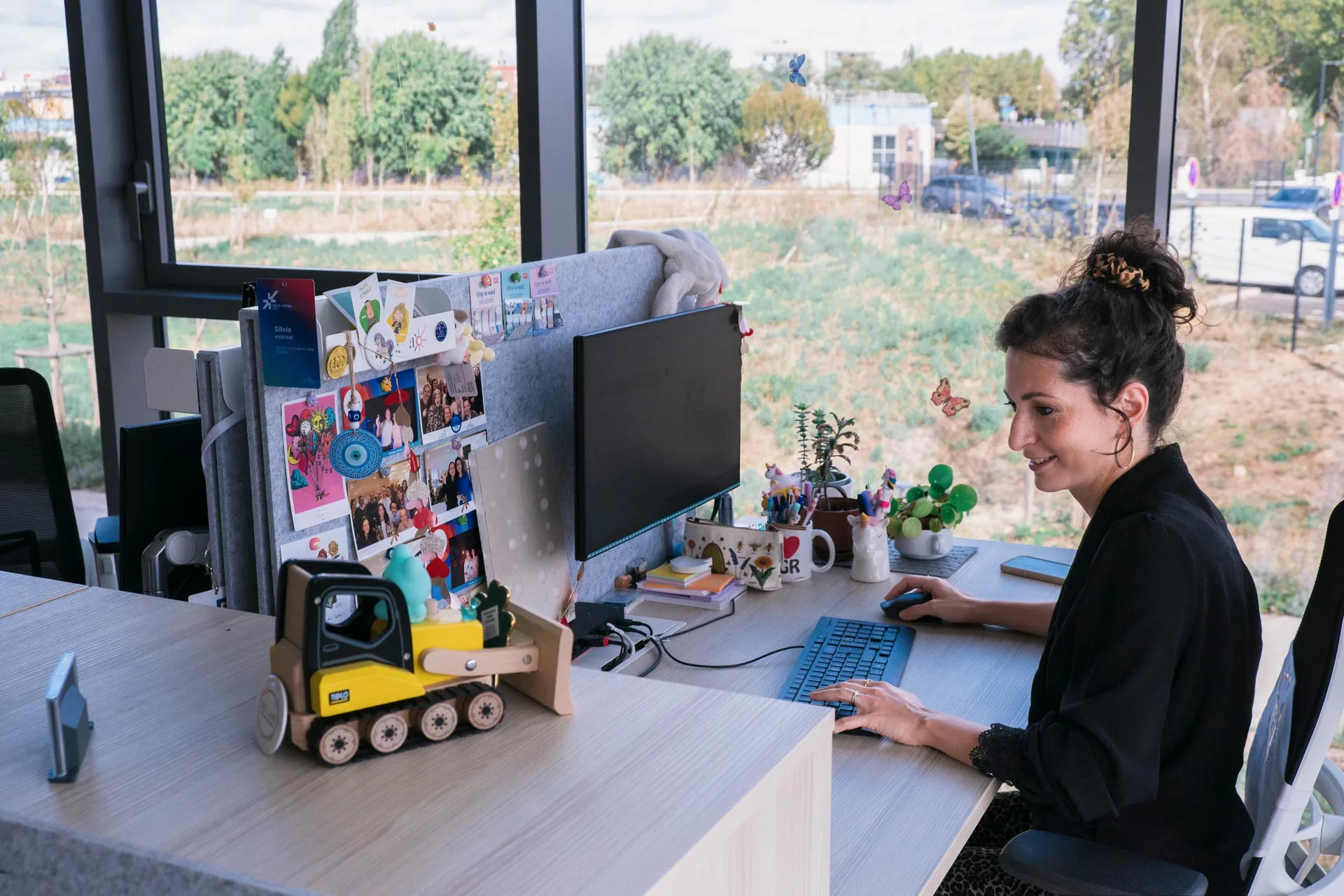
The two companies signed a framework agreement in July, and at the beginning of September Saint-Gobain appointed Annica Hagen as its first chief artificial intelligence officer. Silvia Mariani, who runs the Innovation Hub Europe in Aubervilliers with more than 400 researchers from 30 countries, says the hub will get Microsoft Copilot for all employees in January 2027. Her verdict: "This is a key moment."
Why it matters
Most talk about AI agents is about emails and calendars. This case points somewhere more consequential: literature review and hypothesis generation in industrial research, where months of reading can shrink to an afternoon. The real test is still the lab, and the new molecules have yet to prove themselves. But the bottleneck has clearly moved from finding ideas to testing them.
More from the houses
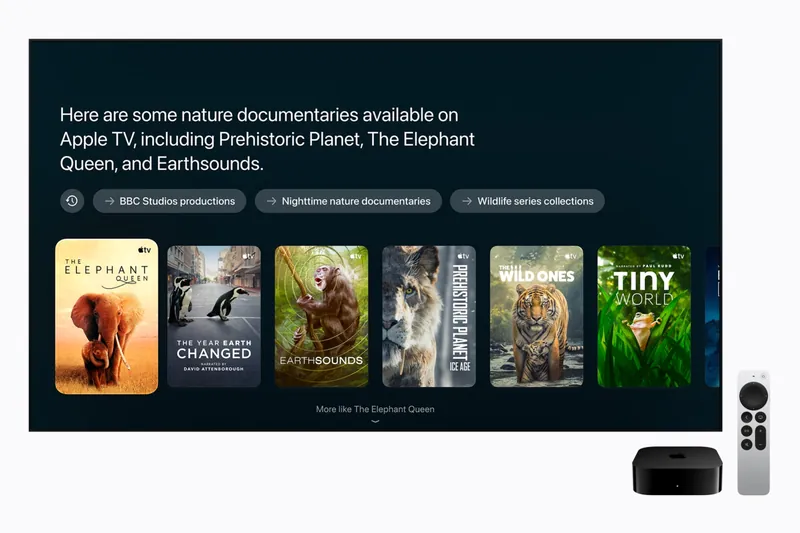
Apple TV 4K Brings Siri AI to the Living Room
The fourth generation Apple TV 4K puts a conversational Siri AI on the big screen, listens hands-free through three far-field microphones and reaches stores on 13 November.

NVIDIA RTX Spark Puts Local AI Agents on Windows Laptops
RTX Spark laptops from six PC makers bring up to 128GB of unified memory and up to 1 petaflop of AI performance to slim Windows machines, built for running models and agents locally.