Why Human Taste Still Matters in an AI World
Human taste still matters, even with AI, because AI learns from us. It's a tool, not a replacement for our subjective experiences, our emotions, or the……

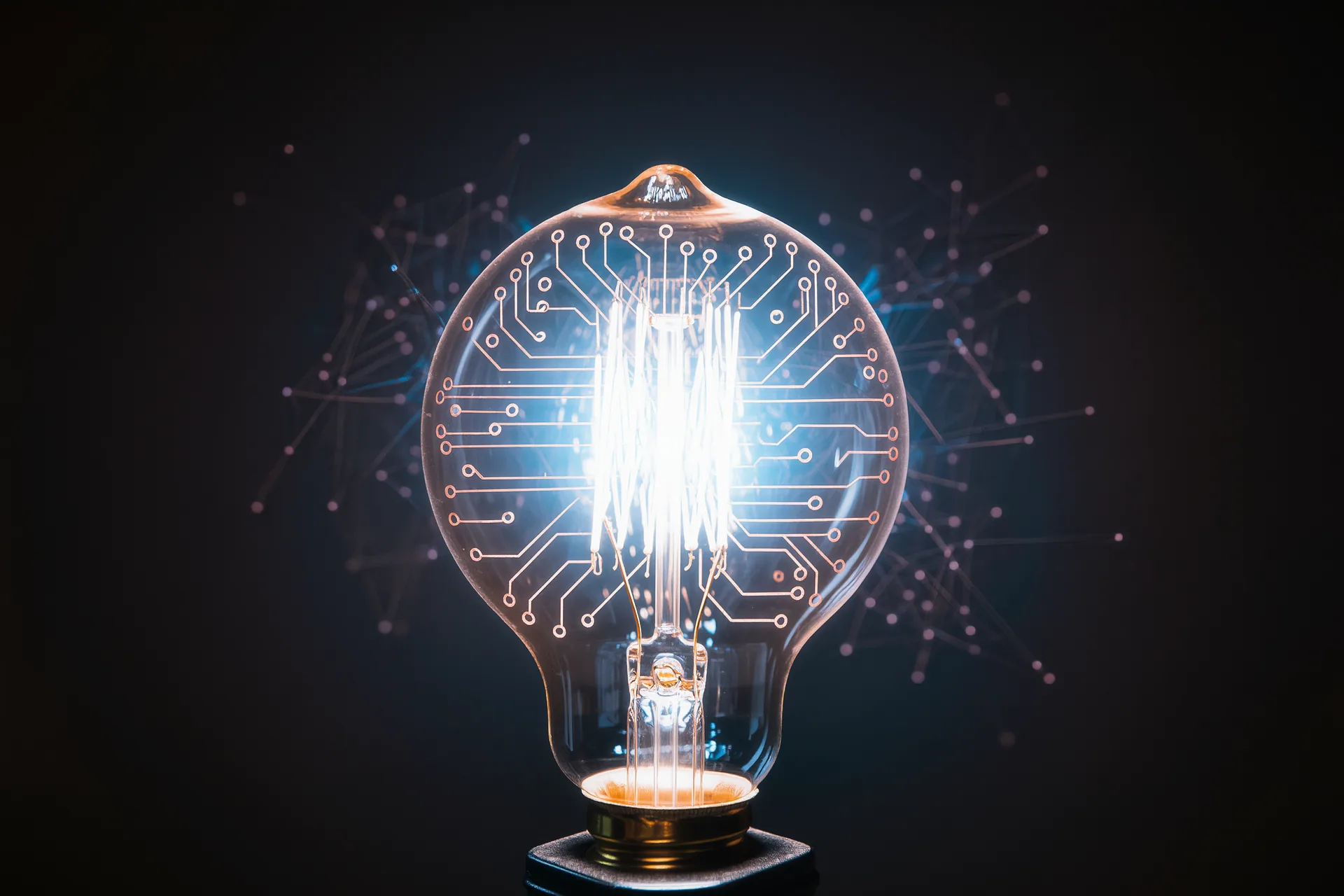
Human taste still matters, even with AI, because AI learns from us. It's a tool, not a replacement for our subjective experiences, our emotions, or the evolving cultural context that shapes what we find appealing. AI can analyze trends, predict preferences, and generate options at scale, but it doesn't feel the joy of discovering a new flavor combination, the nostalgia a particular song evokes, or the gut reaction to a piece of art. That lived, embodied experience is what makes human taste unique and indispensable.
We're living in an era where data is everywhere. Every click, every purchase, every "like" provides a breadcrumb trail of our preferences. AI systems are incredibly adept at sifting through this deluge, identifying patterns, and making recommendations. Think about your streaming service suggesting your next binge-watch, or your online shopping cart auto-populating with items you might like. This is AI at work, using your past behavior to predict what you'll want in the future.
How AI Learns Our Tastes
It's not magic, it's algorithms. AI models are trained on vast datasets of human behavior and consumption. They look for correlations: people who like X also tend to like Y. They identify clusters of users with similar tastes and predict what members of those clusters will enjoy. This can be incredibly convenient, cutting through the noise of endless options.
The Convenience Factor
Let's be honest, AI-powered recommendations can be a lifesaver. When you're overwhelmed by choice, having a curated list saves time and mental energy. It's about efficiency. It's about getting to the good stuff faster. Whether it's music, movies, or even recipes, AI can streamline the discovery process.
Beyond the Algorithm: The Nuance of Preference
But this is where the "human taste still matters" part really kicks in. AI, at its core, is predictive. It's predicting what you've liked before, or what people similar to you have liked. It's brilliant at reinforcing existing preferences. However, it struggles with genuine novelty, with the kind of unexpected discovery that often sparks true delight or even a shift in our tastes.
The Unquantifiable Essence of Human Appreciation
Taste isn't solely about matching patterns. It's deeply intertwined with our personal histories, our cultural backgrounds, our emotional states, and even our physical sensations. AI can't replicate this intricate tapestry.
Memory and Emotion: The Unseen Drivers
Think about your favorite comfort food. It's probably not just about the nutritional value or the precise flavor profile. It's about the memories it conjures, a childhood kitchen, a family gathering, a feeling of being cared for. AI can analyze ingredients and popular flavor combinations, but it can't tap into the emotional resonance of a dish seasoned with nostalgia.
The Scent of Grandma's Kitchen
A specific spice blend might trigger a powerful olfactory memory, transporting you to a particular moment in time. AI can identify that spice blend as popular, but it can't understand the warmth, love, and security associated with it for an individual.
The Soundtrack to a Life
Similarly, a song might be a collection of notes and rhythms. But for us, it's the backdrop to a first love, a breakup, a road trip with friends. The lyrics might resonate with a specific personal struggle or triumph. AI can identify genre and tempo, but it misses the personal narrative that imbues music with profound meaning.
Cultural Context: Taste is Not Universal
What is considered "good" or "appealing" is constantly evolving and is highly dependent on cultural context. AI, trained on existing data, can reflect current trends but may struggle to anticipate or appreciate emerging cultural shifts that haven't yet manifested in large datasets.
The Evolution of Food Trends
Consider how culinary landscapes change. What was once considered exotic and niche might become mainstream. AI can track the rise of certain ingredients or cooking styles, but it's human chefs, critics, and everyday eaters pushing those boundaries through experimentation and cultural exchange.
Artistic Movements and Social Commentary
Art, film, and literature often respond to their time, offering critiques or celebrations of societal norms. AI can analyze stylistic elements, but it can't grasp the nuanced social commentary or the emotional impact of a work that speaks directly to the zeitgeist. Human taste is a living, breathing thing, influenced by dialogue and debate, not just data points.
AI as a Tool, Not a Maestro
When we talk about AI and taste, it's crucial to see AI as a powerful assistant, an enhancer of our own taste-making abilities, rather than a replacement. It can broaden our horizons, introduce us to things we might not have found otherwise, and even help us refine our existing preferences.
Expanding Our Palates (and Playlists)
AI excels at suggesting variations on themes we already enjoy. If you like indie folk, AI can find more indie folk artists with similar sounds or lyrical themes. This is a fantastic way to discover new music without having to dig through endless forums or beg friends for recommendations.
Discovering "Hidden Gems"
AI can surface artists or products that might be slightly outside the mainstream but still align with our core preferences. This democratizes discovery, meaning even smaller, independent creators have a better chance of being found by their target audience.
Personalized Learning and Improvement
In fields like cooking or writing, AI can provide feedback on technical aspects, suggest alternative phrasing, or highlight common pitfalls. This can help individuals learn and improve, honing their skills and, by extension, their taste.
The Limits of Algorithmic Creativity
While AI can generate novel combinations of existing elements, it doesn't possess true creativity in the human sense. It can't, for instance, conceive of a revolutionary new art form or a culinary innovation born from a deeply personal insight or a radical reimagining of ingredients.
Generating Variations on a Theme
AI can be very good at generating variations within established styles. Think of AI image generators that can produce countless images in the style of Van Gogh. But it’s the human artist who understands the emotional intent behind Van Gogh's brushstrokes and can imbue their own work with a similar, or even a contrasting, sentiment.
The Spark of Originality
True originality often comes from a place of deep understanding, intuition, and a willingness to break established rules. This is an inherently human trait, driven by a desire to express something new, to challenge perceptions, or to provoke a particular reaction. AI, by definition, is working with what already exists in its training data.
The Future of Taste: Collaboration, Not Domination
The most exciting prospect for the future of taste lies in the collaboration between human intuition and AI capabilities. Instead of AI dictating our preferences, it will become a partner in our creative and exploratory endeavors.
AI as a Creative Catalyst
Imagine an AI tool that helps a composer explore new harmonic possibilities, or a chef identify unexpected ingredient pairings based on molecular profiles and historical culinary texts. This isn't about AI making the decision, but about AI presenting options that a human artist or creator can then interpret, refine, and imbue with their own vision.
The Unforeseen Combination
AI might point out that a certain obscure spice, rarely paired with a particular main ingredient, has complementary molecular compounds. The human chef then experiments and discovers a groundbreaking flavor profile. The AI provided the data; the human provided the taste and the culinary artistry.
Bridging Disparate Influences
AI can help bridge seemingly disparate influences. It might suggest connections between a particular musical genre from one culture and a rhythm from another, opening up new avenues for fusion. The human artist then weaves these elements into something new and meaningful.
Preserving and Evolving What We Value
As AI becomes more integrated into our lives, our human taste becomes even more important for preserving what we value. It's about ensuring that the recommendations we receive don't just push us towards homogenized, algorithmically determined content, but also allow for the flourishing of diverse, nuanced, and personally meaningful experiences.
The Fight Against Homogenization
Without human taste to guide and curate, there's a risk of a bland cultural landscape where everything caters to the lowest common denominator of popular appeal, as identified by algorithms. Our unique, sometimes quirky, and deeply personal preferences are what keep culture vibrant and interesting.
Championing the Unconventional
Human taste allows us to champion the unconventional, the challenging, the artistically daring that might not be immediately "popular" according to data. It's the human critic, the influential curator, the individual with a discerning palate who can elevate and popularize these often-overlooked gems over time.
The Irreplaceable Human Element
Ultimately, our capacity for taste is a fundamental part of what it means to be human. It's a reflection of our individuality, our emotional landscape, and our connection to the world around us. AI can analyze and predict, but it cannot replicate the subjective, lived experience of appreciation.
The Joy of Discovery
The thrill of stumbling upon something new and wonderful, something that resonates deeply with your soul, is a uniquely human experience. It's not just about acquiring a product or consuming content; it's about the journey of discovery, the spark of connection, and the personal meaning we derive.
A Serendipitous Encounter
Sometimes, the best discoveries are the ones that happen by accident. You might be browsing a record store, wander into a small gallery, or try a dish recommended by a local you strike up a conversation with. These serendipitous encounters are driven by our curiosity and our openness to the unexpected, elements that AI, at its current stage, cannot fully embrace.
The "Aha!" Moment
That moment when a piece of music suddenly "clicks," a painting moves you to tears, or a meal tantalizes your senses in an entirely new way, these are profound human experiences. They are emotional, intuitive, and deeply personal. AI can't feel that "aha!" moment.
Taste as a Form of Self-Expression
What we choose to listen to, watch, read, eat, and wear is a powerful form of self-expression. It's a way of communicating who we are, what we value, and how we see the world. AI can't express itself through taste; it can only reflect the expressions of others.
Curating Our Personal Narratives
When we curate our playlists, decorate our homes, or share our favorite books, we are constructing our personal narratives. We are curating the sensory and intellectual experiences that define us. AI can help us find more things to add to that narrative, but it cannot write the story itself.
The Uniqueness of Individual Palates
No two people have exactly the same taste. Our individual histories, personalities, and sensory sensitivities create a unique tapestry of preferences. This inherent diversity is what makes human taste so rich and dynamic, and it's something AI systems, striving for broad categorization, can struggle to fully capture.
Conclusion: Cherishing Our Sensory Lives
As AI continues to evolve, the role of human taste will not diminish. Instead, it will become even more vital. We must continue to nurture our own discerning palates, to embrace novelty, to appreciate nuance, and to recognize that our subjective experiences are the true drivers of a rich and meaningful life. AI is a powerful tool, but it's our human capacity for appreciation, emotion, and cultural understanding that will continue to shape what we find truly valuable and beautiful in the world. Let's not delegate our senses, our emotions, or our critical judgment to algorithms; let's use AI to enhance them, to expand our horizons, and to deepen our engagement with the world around us. Our taste is an ongoing conversation, and human voices are still its most important speakers.
What is the importance of human taste in an AI world?
How does human taste impact AI technology?
What are the limitations of AI in replicating human taste?
How can human taste be integrated with AI technology?
What are the potential benefits of considering human taste in an AI world?
More from AI News & Trends

AI in Europe: Opportunities for Digital Entrepreneurs
Thinking about diving into the AI scene in Europe as a digital entrepreneur? You're in a good spot. Europe is definitely opening up for businesses……
How AI Is Transforming the Creator Economy
AI is fundamentally reshaping the creator economy by offering tools that automate mundane tasks, enhance content creation, and personalize audience……

What Makes an AI Tool Actually Useful?
So, what actually makes an AI tool useful? Forget the buzzwords for a second. At its core, a genuinely useful AI tool is one that reliably solves a……